
Long considered structural support cells, a new research study has discovered how fibroblasts actively worsen heart failure by disrupting heart muscle function, which could lead to new therapeutic strategies for heart failure.
Heart failure (HF) is one of the world’s leading causes of death and disability, but it may be driven by more than just damaged heart muscle cells. New research led by Professor Shinsuke Yuasa from the Department of Cardiovascular Medicine, Dentistry and Pharmaceutical Sciences at Okayama University has found that a previously underestimated group of cells, known as cardiac fibroblasts, play a key role in worsening the disease.
Fibroblasts: from support cells to disease drivers
Traditionally, heart failure research has focused on cardiomyocytes – the muscle cells that enable the heart to pump blood. However, the new findings show that fibroblasts, which were once thought to only provide structural support, can actively worsen the condition through a signalling pathway known as the MYC–CXCL1–CXCR2 axis.
“We were surprised to discover that fibroblasts, which were thought to be support players in the heart, can actually drive the worsening of HF,” said Professor Yuasa. “They send out signals that disrupt the normal work of muscle cells, ultimately reducing the heart’s ability to pump effectively.”
How harmful signalling weakens the heart
The research team analysed both patient tissue samples and experimental models of heart failure. At a molecular level, they identified a population of fibroblasts unique to ‘failing hearts’ that express the Myc gene. These fibroblasts release a signalling molecule called CXCL1, which impairs cardiomyocyte function through its receptor CXCR2.
Essentially, the communication between fibroblasts and muscle cells becomes toxic in heart failure, leading to progressive damage. When researchers blocked this signalling pathway in mice, heart function improved – suggesting that fibroblasts could be a promising new therapeutic target.
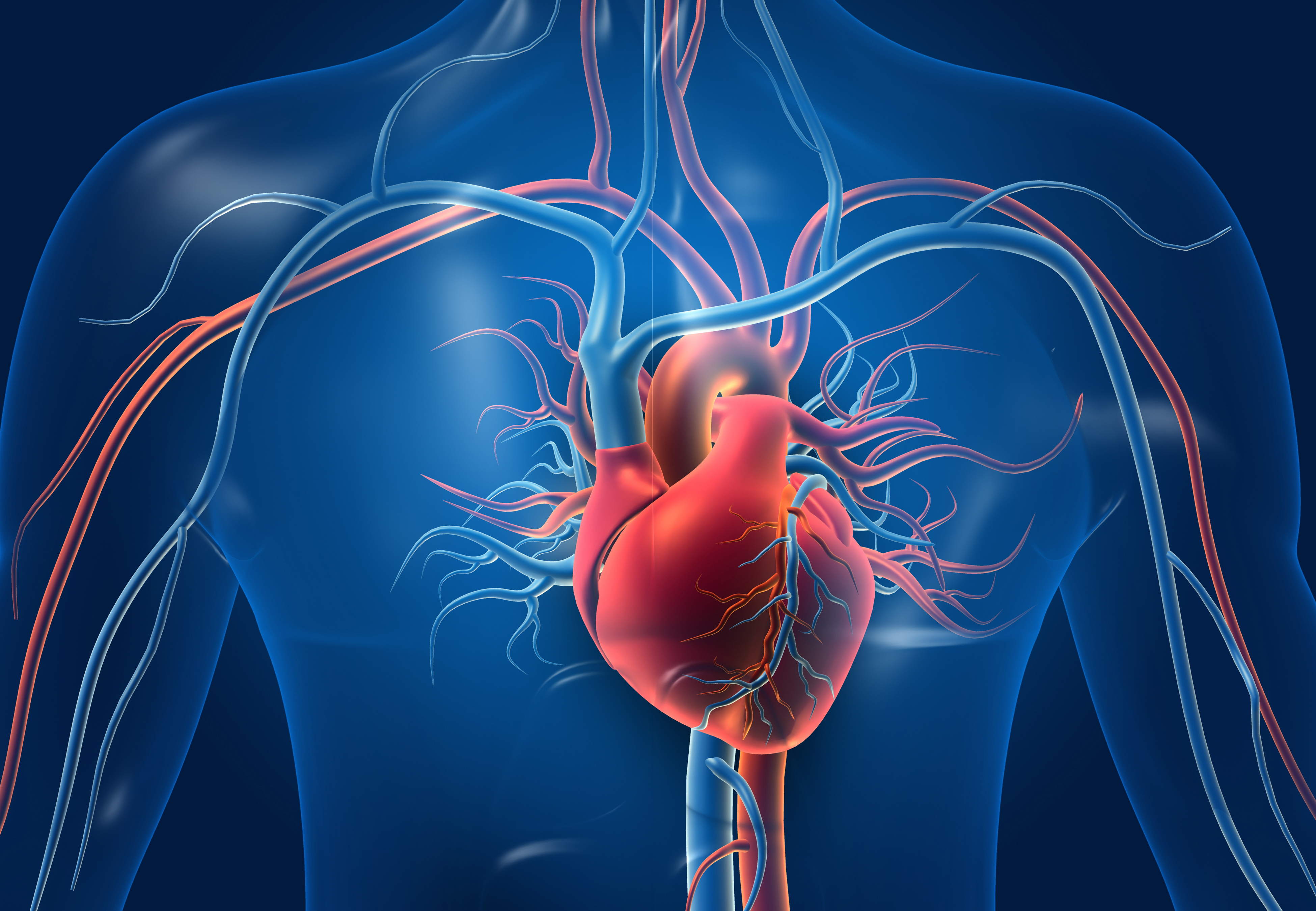
Heart failure occurs when the heart cannot pump blood efficiently to sustain the body’s demands. Now fibroblasts, supporting cells previously thought to be passive, are actually active contributors to heart damage when overactivated.
Confirmed in human heart tissue
To determine whether these findings applied to humans, the team examined cardiac biopsy samples from patients with heart failure and from healthy controls. They found elevated levels of MYC and CXCL1 in the fibroblasts of heart failure patients, suggesting the same signalling pathway likely contributes to cardiac dysfunction in people.
Severe HF often leaves transplantation as the only option.
“This discovery opens new possibilities for treatment,” says Professor Yuasa. “Severe HF often leaves transplantation as the only option. By targeting fibroblasts and their signalling pathways, we may be able to develop therapies that slow disease progression and give patients more choices.”
Rethinking heart failure research
The findings challenge the standard belief that heart failure is primarily a disease of cardiomyocytes. By highlighting fibroblasts as active participants in disease progression, the study could reshape future research and drug development.
“This research is an extension of our long-standing studies on HF,” said Professor Yuasa. “We hope our research inspires a more multifaceted approach, where therapies address not just the muscle cells but also the support cells that shape the disease.”
Hope for new treatments
Current therapies for severe heart failure mainly manage symptoms, leaving transplantation as the main treatment. By identifying fibroblasts as a key factor in disease progression, researchers hope to create drugs that directly target the molecular pathways responsible for heart damage.
By identifying fibroblasts as a key factor in disease progression, researchers hope to create drugs that directly target the molecular pathways responsible for heart damage.
The researchers say that further work is needed before these findings can be translated into clinical treatments. Future research will take place with the aim to develop safe therapies that block fibroblast signalling in humans and test whether these can improve outcomes in earlier stages of heart failure.
By discovering the influence that fibroblasts have, this study offers a new look at heart failure and moves us closer to future therapies. If successful, it could shift the focus of cardiac medicine from merely supporting weakened heart muscles to preventing the disease at its cellular roots.