
Early-stage ALS drug discovery workflows can be challenging due to a lack of access to consistent, physiologically relevant human cell models. In this app note, discover a functional iPSC-derived neuronal model of ALS from bit.bio. Also, explore an MEA workflow featuring the Axion Maestro Pro that was used to validate this model’s reduced neuronal activity and network formation compared to a genetically matched control, highlighting its physiological relevance for pre-clinical ALS research.
Whitepaper
MEA to probe ALS phenotypes in neuronal disease models

6 Feb 2024
0 min read

Clinical Trials
+4
Drugs and Therapies
Machine learning
Research and Development
Tools and techniques
05 August 2025
Beyond the Lab: Biomarkers Powering Tomorrow’s Therapies
Biomarkers are redefining how precision therapies are discovered, validated and delivered. This exclusive expert-led report reveals how leading teams ...
Carrie Haslam
Aug 5, 2025 •
1 min read
CRISPR
+5
Drugs and Therapies
Genomics
Research and Development
Tools & Techniques
Tools and techniques
08 May 2025
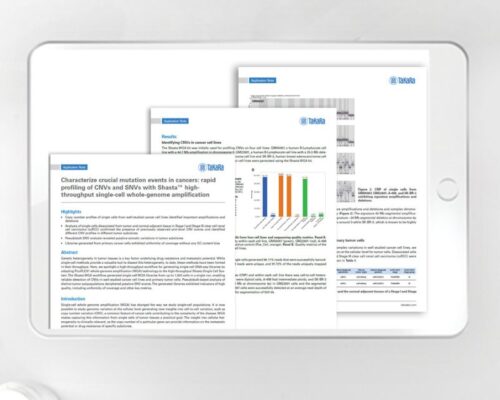
App Note: High-Throughput Single-Cell Genome Profiling
See how the new Shasta™ Single Cell System enabled high-throughput single-cell DNA-seq library preparation to detect tumor-driving mutations....
Carrie Haslam
May 8, 2025 •
1 min read
Clinical Trials
+2
Research and Development
Technology
29 April 2025
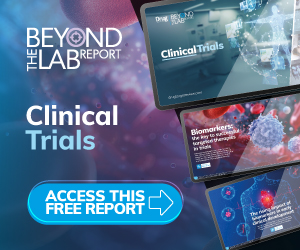
Beyond the Lab: Clinical Trials
Explore how artificial intelligence (AI), biomarkers, and innovative trial technologies are creating a more efficient, data-driven future for drug dis...
Carrie Haslam
Apr 29, 2025 •
1 min read

Drugs and Therapies
+3
Machine learning
Technology
Tools and techniques
21 March 2025
Beyond the Lab: Artificial Intelligence
Download our latest report to discover how AI is transforming drug discovery, accelerating treatments and driving personalised care....
Carrie Haslam
Mar 21, 2025 •
1 min read
Antibodies
+3
Diseases
Research and Development
Tools and techniques
24 October 2024
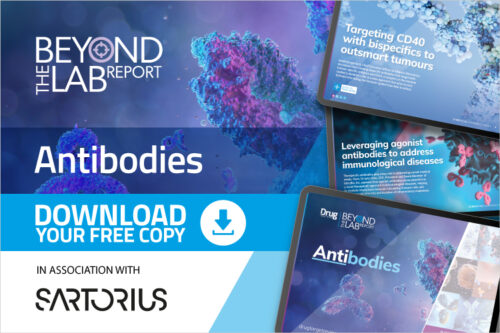
Beyond the lab: antibodies
Amidst a new wave of innovation in antibody research, this report highlights recent breakthroughs across fields such as cancer research and neuroscien...
Carrie Haslam
Oct 24, 2024 •
1 min read

Diseases
+4
Research & Development
Research and Development
RNAs
Tools and techniques
13 June 2024
Beyond the lab: screening
This report provides exclusive access to content on innovative screening methods to improve detection and diagnosis of prevalent conditions like cance...
Carrie Haslam
Jun 13, 2024 •
1 min read
Drugs and Therapies
+4
Genomics
Research and Development
Technology
Tools and techniques
10 May 2024
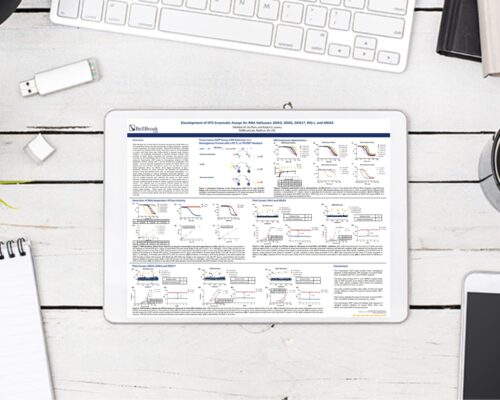
Poster: Assays for DDX3, DDX5, DDX17, RIG-I, and MDA5
A panel of HTS assays was developed using the Transcreener platform to accelerate the development of selective helicase inhibitors....
Carrie Haslam
May 10, 2024 •
1 min read
Drugs and Therapies
+4
Genomics
Research and Development
Technology
Tools and techniques
07 May 2024
Poster: Assays for PRMT5, MLL4, METTL3/14, & NSP14
AptaFluor SAH: A Homogenous, Universal Assay for Histone, RNA, & DNA Methyltransferases. Case Study for PRMT5, MLL4, METTL3/14, & NSP14...
Carrie Haslam
May 7, 2024 •
1 min read